Before you fly: what still works for visitors in 2026
Beijing’s inbound toolkit is better than it was a few years ago, but it is still not “tap Apple Pay everywhere and go.” Official city guidance emphasizes Alipay and WeChat Pay with foreign cards, metro QR codes, airport-oriented visitor cards, and cash as a legal backup that many small shops are clumsy with.
Do these on Wi-Fi at home if you can: download Alipay and WeChat; attempt card linking; download offline maps; save hotel address in Chinese characters; screenshot any eSIM QR. If card linking fails before the trip, plan time at the airport “Beijing Service” / Unicom counters rather than inventing a plan on the curb.
eSIM / SIM options at PEK / PKX (pros, pitfalls)
eSIM before arrival — Convenient if your phone is unlocked and the plan actually routes useful apps. Pitfall: some visitor eSIMs still struggle with local super-app onboarding or have weak indoor coverage; always keep a fallback.
Airport physical SIM / visitor bundles — Capital (PEK) and Daxing (PKX) have China Unicom and “Beijing Service” style counters that sell short-stay SIMs with passport (and often visa/entry proof). Newer inbound products (e.g. Travel Pass / CUBe-style bundles promoted by the city) try to combine connectivity and payment—availability and form factors change, so treat brand names as leads, not guarantees.
Pitfall: buying nothing, relying on hotel Wi-Fi, then discovering you cannot open metro QR or ride-hailing without data in the street.
Airport → hotel: Airport Express, Daxing line, taxi/DiDi reality
PEK: Airport Express connects into the subway network; follow bilingual signs after baggage. Budget immigration + bags + train.
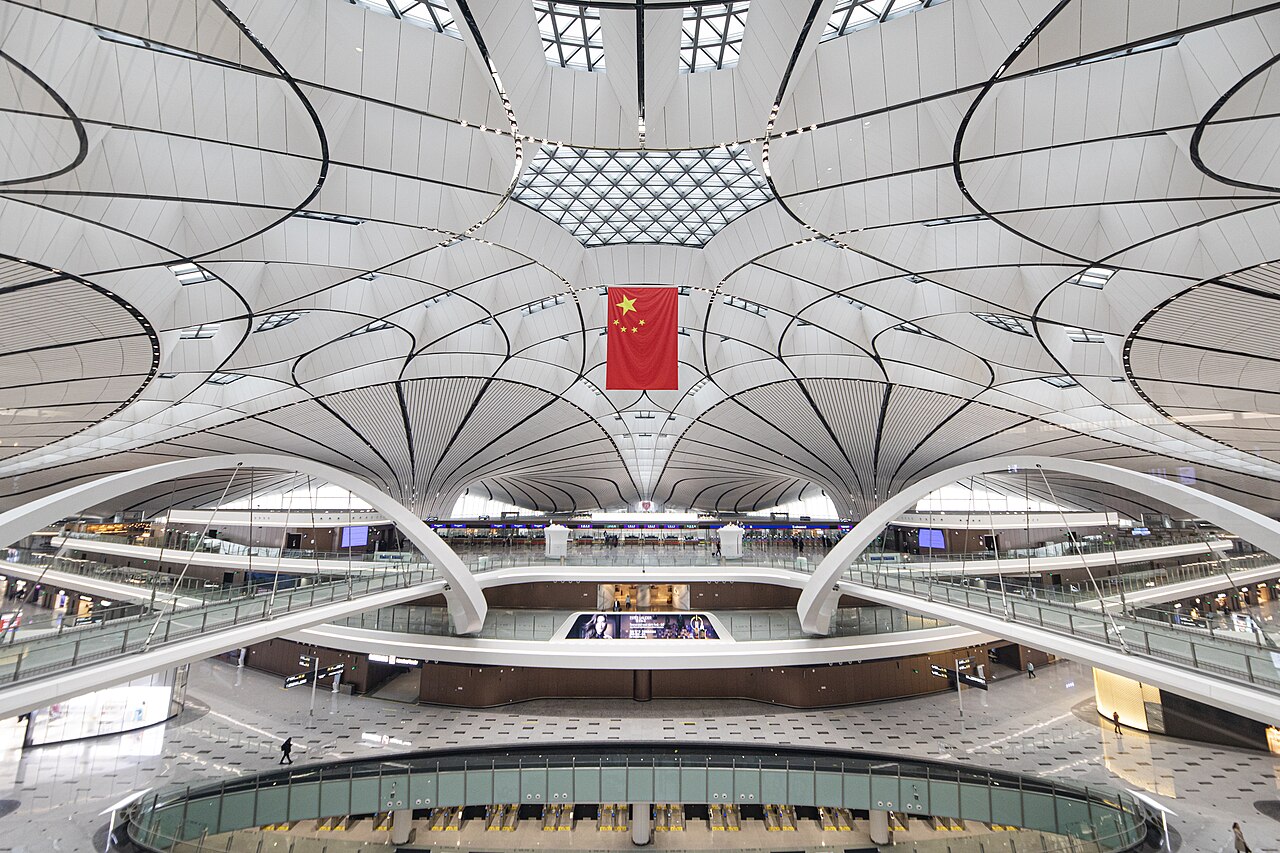
PKX: Daxing Airport Express / metro links are the default public option into town; the ride is longer than a postcard implies—build real time.
Taxi / DiDi: Works when payment works. Official ranks beat random touts. Late-night arrivals with big luggage and two kids are exactly when a pre-arranged car (or our driver-day / transfer help) earns its keep.
Metro basics: Yikatong / mobile QR / English maps
Official city pages list several visitor-friendly options: Alipay Metro QR (Transport → Metro → claim/activate ride code after real-name and payment setup), Beijing Pass or similar airport-sold smart cards for foreigners, ticket vending machines (switch to English), and staffed counters. Contactless bank-card tap-in may work on some gates—do not make it your only plan.
Stations show English names on major tourist lines; transfers can still be long walks. Keep your exit gate letter for the hotel walk. Rush hour is not romantic.
Payment: Alipay/WeChat tourist flows, cards, cash backup
Municipal guidance: add Visa / Mastercard / JCB (and on WeChat, often AmEx / Diners / Discover as listed in official tips) inside the apps, then pay by scanning merchant QR codes. Hotels and big malls may take foreign cards; hutong shops and small restaurants often will not.
Cash: legally required to be accepted, but change for large notes can be awkward. Withdraw a modest amount at airport ATMs as backup—not as your main wallet.
If both apps fail on Day 0, fix connectivity and card linking before you chase Forbidden City tickets. Ticket booking friction is covered in our tickets guide.
Maps & translation apps that actually help offline
Download offline Beijing maps before you leave Wi-Fi. Keep the hotel pin in Chinese. Camera translation helps menus; it fails on ornate calligraphy and handwritten specials—point and smile still works. Save metro line maps as images.
Connectivity etiquette & VPN expectations (practical, not legal advice)
Many familiar Western apps and sites are unreliable or blocked on mainland networks. Visitors often arrive with their own connectivity tools already set up on a home network; this page does not instruct you how to circumvent anything. Practical expectation: assume you will live inside Alipay, WeChat, maps, and local ride-hailing once data works, and that hotel Wi-Fi quality varies.
Common day-1 mistakes that cost half a day
- Leaving the airport without data or a working pay app.
- Booking Palace Museum tickets under a different passport than you carry.
- Stacking Airport Express + long metro + Palace security with jet lag and no buffer.
- Assuming every taxi takes foreign plastic.
- Changing hotels on Day 1 “to be closer”—you lose the afternoon.
When a driver-day is worth it vs metro
Metro wins for Forbidden City / Temple of Heaven / hutong days from a central hotel once payment works.
Driver-day wins for Mutianyu or other Wall sections, early flights with luggage, multi-stop family days, or limited mobility. See indicative From prices on the Beijing hub—inquire to confirm; not a checkout.
Tell us arrival flight, hotel area, and whether you need a transfer, ticket help, or just a rewritten Day 0–1 plan.